
Productions
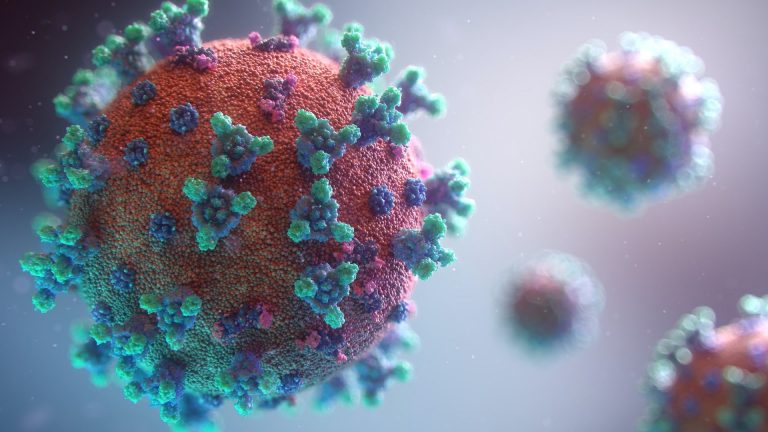
COVID-19 Diagnosis
The COVIDiag software has been introduced to diagnose COVID-19 cases based on CT findings.
Publication
Z-scan method to measure the nonlinear optical behavior of cells for evaluating the cytotoxic effects of chemotherapy and hyperthermia treatments
The aim of this study was to introduce the Z-scan technique as a fast, accurate, inexpensive, and safe in vitro method to distinguish the cytotoxic effects of various treatments…
Publication
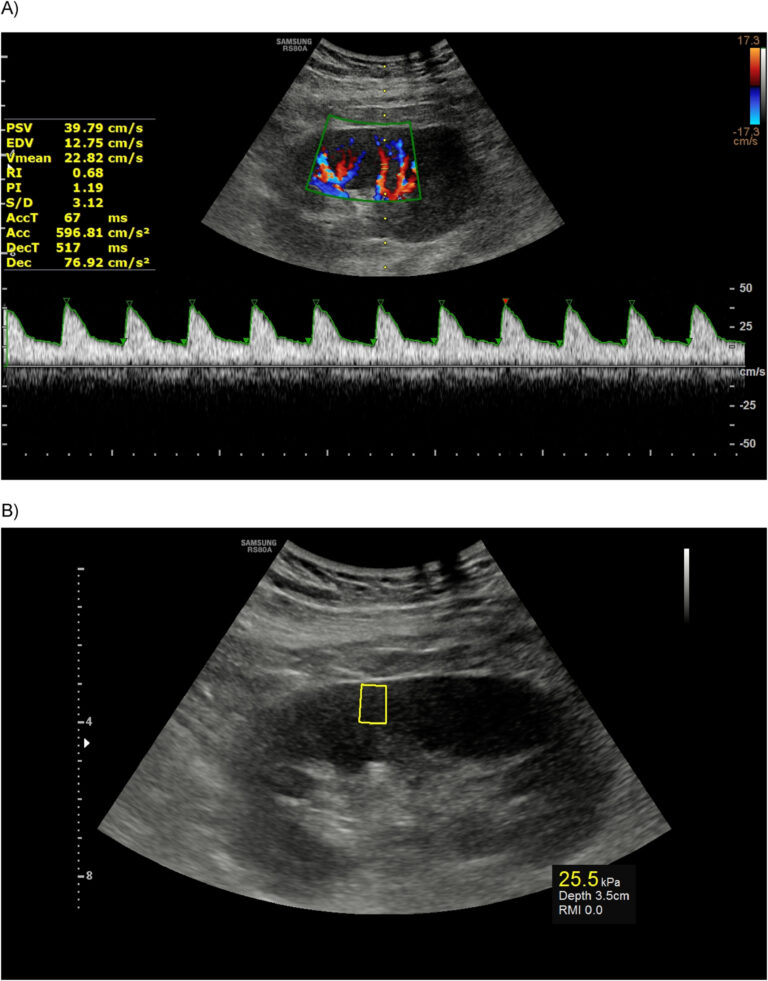
Combination of Doppler US and US Elastography is Superior to Doppler US or US Elastography Alone in Detecting Delayed Kidney Graft Rejection
To compare the performance of Doppler ultrasound (US) and US elastography with their combination in detecting delayed graft rejection. A prospective cross-sectional study of 60 consecutive adult kidney transplant recipients was done…
Publication
Diagnostic ability of 384-slice computed tomographic angiography in prediction of myocardial ischemia in patients with myocardial bridging (MB) as compared to SPECT-MPI examination
The aim of this study was to evaluate the ability of CCTA to predict myocardial ischemia in patients with MB…